
 A new position opens in your company. You’re in charge of filling it. The natural tendency is to make a list of the technical skills needed to do the job, program an algorithm, and watch the resumes flood in through LinkedIn or your company’s online job portal. Unfortunately, strong or weak technical skills aren’t usually what determine the success or failure of future employees. What does then? “Companies hire for skill but fire for fit,” states Allison Madison, President of Madison Approach Staffing.
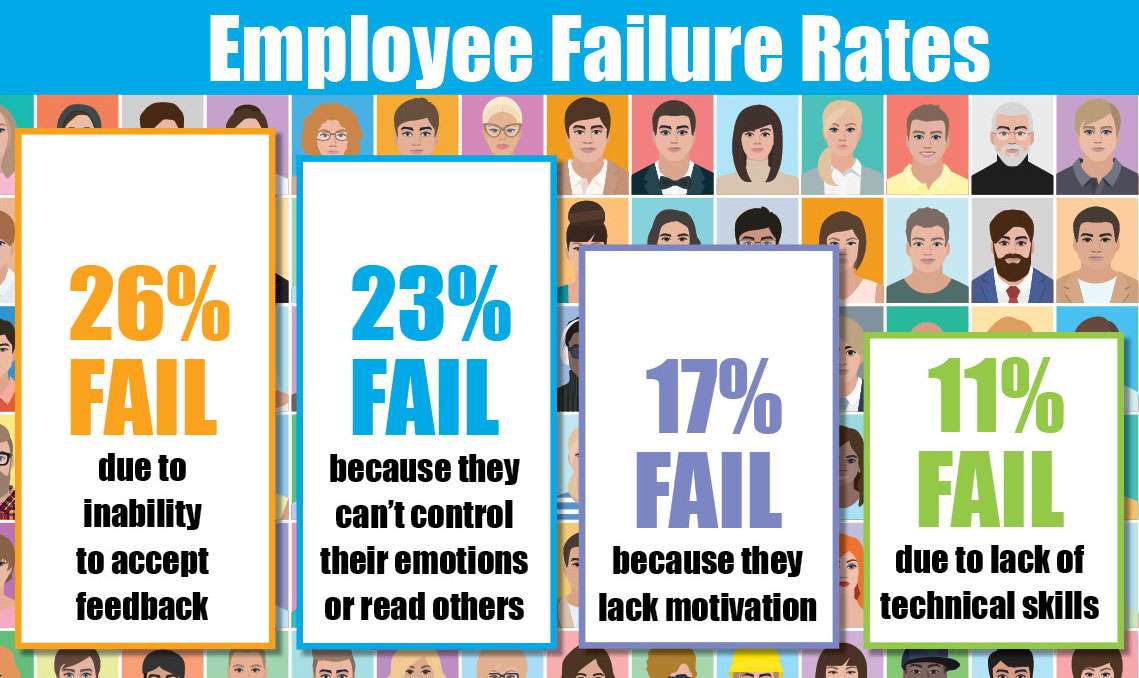
A three-year study by Leadership IQ found that 26% of employees failed due to an inability to accept feedback, 23% because they can’t control their emotions or read those of others, and 17% lacked motivation for their job. A mere 11% failed due to a lack of technical skills.[1] Let’s face it, many technical skills can be taught with professional development, training, and mentoring. But that’s assuming the person with the shortcoming is open to accepting feedback to identify his/her deficiency and has the proper motivation to do the work required to excel.
Defining the “right” character can be a challenge because there is no cookie cutter attitude for every firm, every department – what can work for one company may not work in yours and even departments can have remarkably different personas. Understanding your firm’s and your department’s culture and work dynamic is critical to developing the optimal set of desired character attributes.
So, next time you have a job to fill, spend as much time developing your list of desired character skills as you do technical skills, screen for them through behavioral interview questions, and don’t be lulled into the belief that the stellar technical candidate can overcome his or her lack of emotional IQ to become your next star employee. In fact, a worthwhile effort at your firm may be to develop your “character skills statement” before positions need to be filled. As Peter Schultz has famously said, “Hire for Character. Train for Skills”
[1] Murphy, Mark; Why New Hires Fail (Emotional Intelligence Vs. Skills), 22 June 2015; https://www.leadershipiq.com/blogs/leadershipiq/35354241-why-new-hires-fail-emotional-intelligence-vs-skills